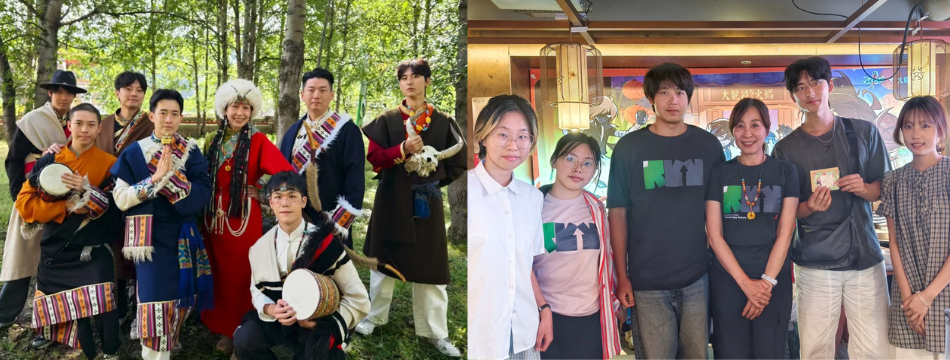
Karina, a youth volunteer and first-time participant in the Western Sichuan Exploration Camp, joined the program eager to explore both the natural beauty of the region and his own potential. During the camp, he faced long journeys, challenging itineraries, and new group dynamics, all while reflecting on his personal growth. In the following account, Karina shares his honest experiences, insights into local culture, and lessons he learned from the Camp.
ADLINK Youth Exploration Camp: Karina's Insight
After a full week taking care of the children, we volunteers finally welcomed an itinerary that belonged to us, and I had been looking forward to these few days from the very beginning. The volunteer instructors also mentioned that the Western Sichuan Exploration Camp is a small experiential program for self-exploration and exploring relationships with peers, and I was curious to see what new aspects of myself I could discover.
To be frank, I’ll say upfront that many aspects of this camp differed from my expectations. The most notable difference was the long travel distances and the allocation of exploration time. I thought we would spend most of our time exploring, but due to unpredictable road conditions, our bus rides took up almost 60% of the itinerary. Apart from the full day at Daocheng Yading, most other attractions had very limited exploration time, and the transit times were unusually long. Although I knew Western Sichuan’s attractions were far apart, I did not expect them to be this distant, which made me question some aspects of the itinerary planning.
Take Xinduqiao as an example. There were many places to explore—not only the natural scenery nearby but also the town itself, full of local food, shops, and entertainment. Yet, we barely stayed long enough to enjoy it, stopping only because we needed to sleep there before continuing the journey. On the night before returning to Chengdu, I went with many volunteer friends into the town center. There were so many places to walk around, including areas resembling night markets with local snacks. While the purpose of the camp is indeed to explore as many places as possible, I feel that slowing down to truly enjoy the beauty and culture of each place—even a small town, learning about local food and daily habits—should also be considered part of the exploration. Therefore, I think the overall itinerary was somewhat tight, and the distances between locations were physically challenging. Perhaps future camps could reduce the number of attractions to allow for longer stays at each location.
Putting aside my thoughts on the schedule, I did get to experience the warmth of the people in Western Sichuan. Street vendors were very friendly, willing to chat and listen during bargaining. Local staff and tour guides were also very helpful, giving us directions and cheering us on. For example, during the hike at Daocheng Yading, I felt very hungry and bought a cup of instant noodles. After struggling to find hot water, I finally discovered a rest station. The staff there immediately offered to help heat my noodles and invited me to sit and rest, so I could regain energy for the rest of the hike. I was deeply touched, experiencing the kindness of the locals and the goodness of human nature.
Interacting with the ADLINK mentors was also very interesting. They have rich life experiences, and listening to their captivating stories allowed me to reflect and find advice useful for myself. I’ve known Chairwoman Dianne for many years, so our conversations were natural and fun. I also know many of the other uncles and aunties well, which allowed for relaxed and humorous interactions. These chats were one of the highlights of the long bus rides. On the other hand, I interacted less with other volunteers compared to the Chengdu camp. People tend to stick with those they know, and I only had one or two close friends there. Combined with the long transit times, opportunities for broader interaction were limited.
Living in such high altitudes was a unique experience, very different from Taiwan or Chengdu. After spending several days at high altitude, returning to lower ground felt unusual. Western Sichuan’s scenery was truly heavenly, and their food was easier to enjoy compared to Chengdu—not as spicy or heavy. I actually enjoyed the local food in Western Sichuan more than what I had during the week in Chengdu. Although a typhoon delayed our flight and we had to stay in Chengdu for an extra day, I was initially reluctant, wanting to return to the warmth of home. But later, making plans with friends turned that extra day into a rich and fulfilling experience.
Finally, I am grateful to the ADLINK Foundation for organizing this Western Sichuan Exploration Camp and the Chengdu Camp. I gained so much from these experiences and look forward to participating in future camps as well!